
How Modern MES Platforms Reduce Deployment Time and Support Digital Transformation
machine vision inspection | packaging automation | oee improvement
Industrial automation solutions provider
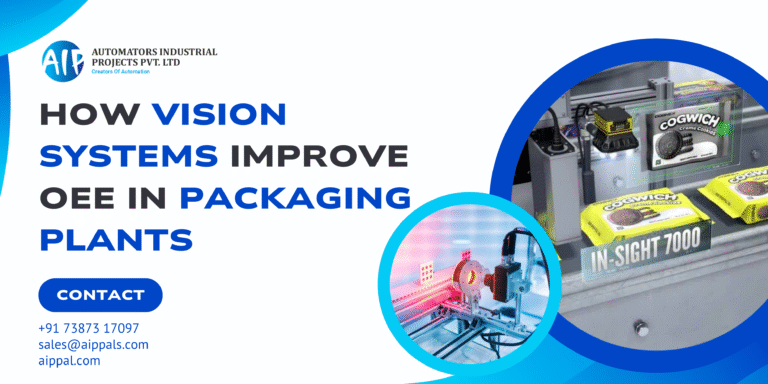
Modern packaging operations demand high throughput, zero-defect quality, and continuous uptime under increasingly dynamic production conditions. Vision systems play a critical role in achieving these goals by enabling machine vision inspection, real-time defect detection, and process verification across packaging lines. By converting visual production data into actionable intelligence, machine vision enhances equipment effectiveness, reduces waste, and strengthens quality assurance without interrupting production flow. These capabilities strongly support advanced packaging automation strategies by ensuring consistent and reliable process control.
Traditional packaging environments often relied on manual inspection and reactive quality control methods, which introduced variability, increased downtime, and limited production visibility. Modern vision-based inspection solutions are redefining packaging performance by delivering real-time monitoring, automated decision-making, and continuous performance optimization. These advancements directly contribute to OEE improvement by increasing availability, enhancing performance efficiency, and ensuring consistent product quality.
As a trusted industrial automation solutions provider, AIP supports manufacturers in deploying scalable machine vision architectures that improve packaging reliability, strengthen quality control, and drive measurable operational performance gains.
Key Takeaways
✓ Understand how machine vision influences OEE metrics
✓ Learn how automated inspection reduces packaging defects
✓ Discover how vision systems minimize unplanned downtime
✓ See how real-time monitoring improves line performance
✓ Evaluate business impact of vision-enabled packaging automation
Table of Contents
1.Understanding OEE in Packaging Operations
Overall Equipment Effectiveness (OEE) is a comprehensive performance metric that evaluates how efficiently packaging equipment operates across three core dimensions: availability, performance, and quality. In packaging environments, OEE reflects machine uptime, production speed consistency, and defect-free output. Achieving high OEE requires synchronized equipment operation, precise process control, and consistent inspection accuracy.
Vision systems enhance OEE by providing continuous monitoring and automated verification of packaging processes. These systems capture real-time visual data, analyze product characteristics, and immediately detect deviations from defined quality standards. By identifying issues early and enabling corrective action without manual intervention, machine vision strengthens operational reliability and supports sustained production efficiency.
2.Limitations of Traditional Inspection Methods
Historically, packaging quality control relied heavily on manual inspection or intermittent sampling. Common challenges included:
Human-dependent inspection variability
• Limited inspection coverage
• Delayed defect detection
• Inconsistent quality verification
• Increased rework and material waste
• Reactive maintenance response
These limitations often reduced production speed and negatively impacted OEE performance.
3.What Defines a Modern Vision System
Modern packaging vision systems are engineered for speed, precision, and uninterrupted performance, making them a critical enabler of machine vision inspection in high-throughput environments. These systems combine high-speed image acquisition, AI-based defect recognition, and real-time decision processing to ensure accurate product verification without interrupting production flow. With multi-point inspection coverage and seamless integration with PLC and line control systems, they support fully synchronized packaging automation across multiple production stages. Their scalable architecture allows deployment across diverse packaging lines while maintaining consistent quality control standards. By enabling continuous monitoring and immediate corrective action, these capabilities directly contribute to measurable OEE improvement by enhancing availability, stabilizing performance efficiency, and reducing quality-related losses.
4.Automated Defect Detection and Quality Assurance
Vision systems provide 100% inspection coverage across packaging operations, ensuring every product meets defined quality criteria. Typical inspection functions include:
Label verification
• Seal integrity inspection
• Barcode and code validation
• Fill-level verification
• Packaging alignment detection
Automated rejection mechanisms remove defective units instantly, reducing rework and protecting brand integrity while improving the quality component of OEE.
5.Reducing Downtime Through Real-Time Monitoring
Unplanned downtime significantly impacts packaging productivity. Vision systems contribute to availability improvement through:
Immediate anomaly detection
• Early identification of process drift
• Automated alert generation
• Root cause visualization
• Support for predictive maintenance
Continuous monitoring helps operators address issues before they escalate into line stoppages.
6.Improving Line Performance and Throughput
Performance efficiency measures how close production operates to its designed speed. Vision-enabled packaging lines achieve higher performance by:
Maintaining consistent process parameters
• Reducing manual inspection bottlenecks
• Supporting high-speed operation
• Minimizing micro-stoppages
• Enabling synchronized machine control
This results in smoother production flow and optimized equipment utilization.
7.Enhancing Traceability and Compliance
Regulated industries require robust product traceability and documentation to ensure compliance and consistent quality standards. Advanced vision systems enable reliable machine vision inspection by performing automated code verification, maintaining digital inspection records, and supporting precise batch and product tracking across packaging operations. These capabilities strengthen packaging automation by embedding standardized verification processes directly into the production workflow, ensuring every product is validated without manual intervention. By generating audit-ready quality data and enabling continuous monitoring, vision-enabled traceability significantly contributes to OEE improvement by reducing quality losses, minimizing rework, and lowering regulatory risk while maintaining full production accountability.
8.Integration with Packaging Automation Systems
Vision systems operate most effectively when integrated with broader automation infrastructure. Key integration benefits include:
Closed-loop process control
• Real-time machine adjustments
• Centralized production monitoring
• Unified operational data flow
• Coordinated rejection and sorting systems
Integration transforms inspection from a passive function into an active production control mechanism.
9.Data-Driven Continuous Improvement
Beyond inspection, vision systems generate valuable production intelligence that supports continuous improvement initiatives.
Operational analytics include:
Defect pattern analysis
• Process variability insights
• Performance trend monitoring
• Quality loss identification
• Production optimization opportunities
Data-driven decision-making enables long-term efficiency gains.
10.Automation Architecture and Vision Readiness
Successful vision implementation depends on the structure and maturity of the packaging environment in which machine vision inspection operates. Effective deployment requires standardized machine interfaces, stable lighting and imaging conditions, reliable data communication networks, scalable control system design, and structured production workflows that support seamless system interaction. When these foundational elements are aligned, they enable robust packaging automation by ensuring consistent data capture, synchronized equipment behavior, and dependable inspection accuracy. A well-prepared automation architecture not only accelerates system deployment but also delivers sustained OEE improvement by enhancing operational stability, reducing integration complexity, and ensuring reliable long-term performance.
11.Business Impact of Vision-Enabled Packaging
Implementing machine vision delivers measurable operational and financial benefits:
Higher OEE performance
• Reduced product waste
• Improved packaging consistency
• Lower quality-related downtime
• Enhanced production transparency
• Faster return on automation investment
Vision systems convert inspection from a cost center into a performance driver.
12.How AIP Supports Vision-Based Automation
AIP helps manufacturers deploy industrial vision systems using structured engineering methodologies focused on reliability, scalability, and production readiness.
This approach includes:
Packaging line assessment
• Vision system design and integration
• Automated inspection architecture
• Data-driven optimization frameworks
• Production-ready deployment strategies
The objective is to enhance packaging performance while strengthening operational intelligence.
Final Thoughts
Machine vision technology is transforming packaging operations by enabling automated inspection, real-time monitoring, and data-driven optimization. By improving availability, performance efficiency, and product quality simultaneously, vision systems deliver measurable improvements in Overall Equipment Effectiveness.
For manufacturers seeking higher productivity, consistent quality, and scalable automation, vision-enabled packaging represents a strategic step toward intelligent production environments.
FAQs
1. How do vision systems improve packaging quality?
They perform continuous automated inspection, detect defects in real time, and ensure consistent product verification across the production line.
2. Can vision systems reduce downtime in packaging plants?
Yes, real-time monitoring identifies anomalies early, enabling preventive intervention before equipment failure or stoppage occurs.
3. Do vision systems support traceability requirements?
They automatically capture inspection data, verify product codes, and maintain digital quality records for compliance and auditing.
4. What is the primary benefit of vision systems for OEE improvement?
They simultaneously improve availability, performance, and quality by automating inspection, reducing waste, and enabling continuous operational control.