
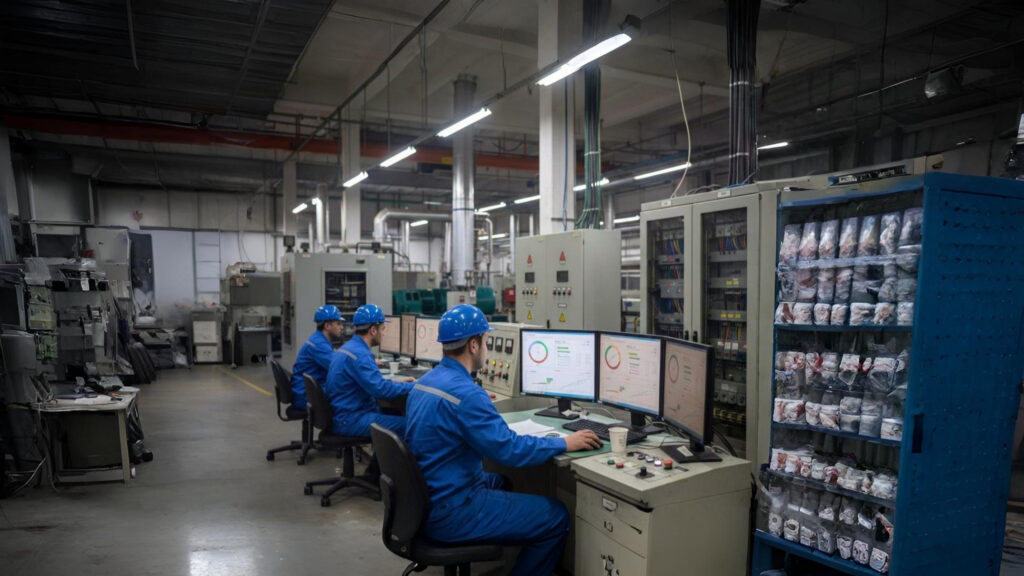
SCADA Systems for Energy Management in Industrial Plants
Are soaring energy bills eating into your industrial plant’s profits? For many facilities, energy has become one of the largest and most unpredictable operating costs. Inefficient usage and limited real-time visibility often drain profitability without being noticed.
A SCADA energy management system transforms energy from an uncontrollable expense into a measurable and manageable asset. It enables real-time monitoring, control, and optimization of power consumption across your entire facility.
By implementing intelligent energy automation solutions, plants gain complete visibility over energy usage, improve efficiency, and move closer to sustainability targets.
What Is a SCADA Energy Management System?
A SCADA energy management system acts as the central control layer for your plant’s energy infrastructure. It collects real-time data from electrical panels, energy meters, utilities, and individual machines.
Instead of manual meter readings and complex spreadsheets, operators and decision-makers receive a live, centralized view of where energy is consumed, how much is used, and when it is required. This allows faster analysis, instant fault detection, and data-driven decision-making.
Why Energy Automation Is Critical for Modern Plants
Without automation, energy usage often remains uncontrolled, leading to unnecessary waste, peak demand penalties, and inefficient equipment operation. Energy automation solutions restore control by aligning power usage with actual production demand.
With automated monitoring and intelligent control, plants can dynamically respond to real-time load changes across machines and utilities. This capability minimizes energy wastage, smooths peak demand, and prevents overload conditions while maintaining stable and uninterrupted production.
By continuously balancing power consumption with actual process requirements, facilities improve operational reliability and efficiency—without compromising throughput, quality, or production output.
Key Features of a SCADA-Based Energy Management System
A modern SCADA energy system provides active control and optimization capabilities, including:
- Real-Time Dashboards showing energy consumption across machines and utilities
- Usage Pattern Analysis to identify peak loads and energy-saving opportunities
- Instant Alerts for abnormal consumption and power quality issues
- Historical Data and Reporting for audits, compliance, and long-term optimization
- Smart Controls integrated with PLCs, VFDs, and energy meters for automated energy management
These features form the foundation of effective energy efficiency automation.
Benefits of Energy Automation Solutions
Implementing a SCADA-driven energy system delivers measurable business advantages:
- Reduced energy bills and peak demand charges
- Improved equipment performance and longer asset life
- Simplified compliance with energy regulations
- Early detection of energy losses and inefficiencies
- Lower carbon footprint and improved sustainability performance
Together, these benefits create a robust industrial energy management strategy.
Energy Efficiency in the Smart Factory Environment
In Industry 4.0-driven facilities, energy efficiency is as critical as production output. Energy efficiency automation ensures machines consume power only when required and at optimal levels.
When SCADA energy management systems are integrated with real-time production data, manufacturers gain precise visibility into energy consumption at the batch, process, and per-product level. This deep insight allows teams to correlate energy usage with production output, identify inefficiencies, and benchmark performance across lines and shifts.
As a result, plants can optimize operations plant-wide, reduce energy intensity per unit produced, and make faster, data-driven decisions that improve efficiency, profitability, and long-term sustainability.
Industries That Benefit from SCADA Energy Automation
SCADA-based energy management delivers value across multiple sectors, including:
- Manufacturing and engineering plants
- Automotive and auto component facilities
- Process industries such as chemicals and refineries
- Pharmaceuticals and FMCG operations
- Metals, power generation, and heavy engineering
Every industry benefits from tighter energy control, reduced waste, and predictable operating costs.
Conclusion
Energy efficiency is no longer optional—it is a competitive requirement. A well-implemented SCADA energy management system allows plants to control costs, optimize energy usage, and improve operational resilience.
By adopting power monitoring SCADA, industrial energy management, and energy efficiency automation, manufacturers can build facilities that are both profitable and future-ready.